
By: Isatou Ndure
Incoming! Spoilers, look out!
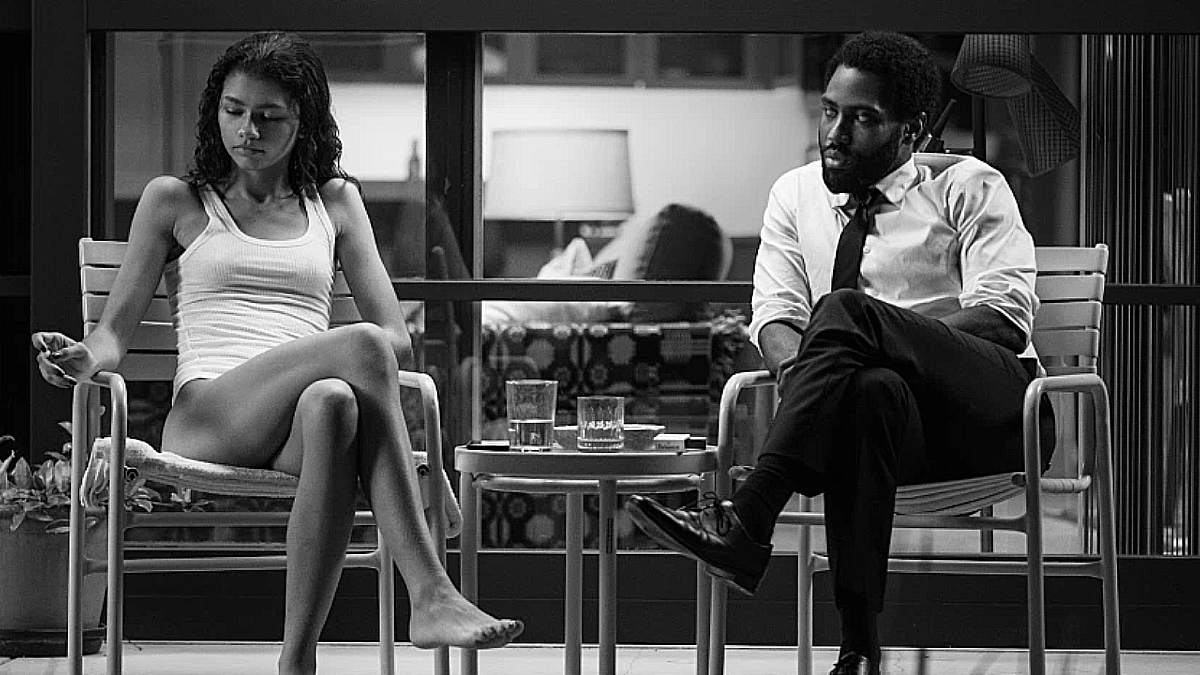
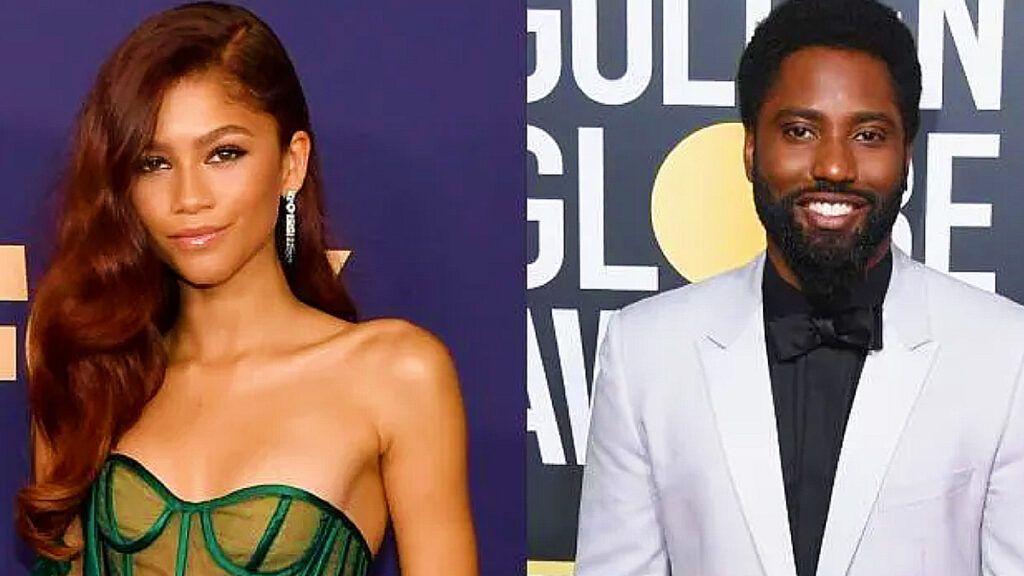
Malcolm & Marie finally graced screens on February 5th. The highly anticipated Netflix movie was directed and written by Euphoria creator Sam Levinson starring Disney’s Zendaya and Tenet’s John David Washington.
I was keen to see John David Washington’s performance after watching him in Tenet and to also see how ‘Disney’s Princess’ Zendaya would carry out such a mature role.
I was coaxed by the tasteful monochrome aesthetic which at first made me assume that it was set in the olden days. The black and white delivery can cause it to feel somewhat outdated. The exchange and discussions around Hollywood and modern culture all felt necessary and significant, making the black and white effect feel more like a pointless distraction.
The movie takes place over a single night. It follows up-and-coming filmmaker Malcolm (Washington) and girlfriend Marie (Zendaya), a recovering addict. They arrive home after the premiere of his new film. Malcolm forgets to thank Marie during his speech, whose life provides most of the source material for Malcolm’s movie.
What seemingly begins as a petty fight reaches a boiling point and eventually leads to a dynamic unraveling of the couple’s true feelings for one another. We follow both characters around their beautiful estate in the Hollywood Hills where they argue, make-up, discuss their relationship, the industry, and Malcolm’s film for 1 hour and 46 minutes.
Malcolm is all egotistical man with youthful promise in the film industry but he has a delusional way of thinking. This is displayed when he read the reviews of his film and begins a frantic rant about critics. When he gets a seemingly positive review from the ‘white girl from the LA Times’, we see his sharpness burst into hysteria. She describes one of his characters in the movie as one who “brilliantly subverts from the white-savior trope”. Malcolm believes this comment to solely be based on his race rather than the actual film. In his eyes, critics examine the identity of the filmmaker first rather than the substance of their film, to begin with.
As the movie builds on the complexity of their relationship it also takes a huge risk within its writing and cinematography. It depends exclusively on drawn-out monologues and conversations to keep the story going. Levinson’s rambling gets lost from the film’s focus when Malcolm is ranting about the review. Slowly but surely, the entire thing begins to feel like the voice of a writer rather than two separate individuals living genuine lives.
Even so, I was one of few who was drawn into and appreciated the long monologues, but other critics have disagreed and thought of it as a waste of time.
The most compelling monologues came from Marie which I believe made the film worthwhile. Zendaya breathed life into Marie by giving us beautiful moments of honesty and vulnerability. They made you connect with her as a woman hurting and wanting to be heard by her partner. It relayed as an important conversation for them to have, but also one that we, the audience, needed to hear. I think that if the film moved at the pace that normal films do, we would have missed out on such substance.
One thing that I truly resonated with was how Levinson explored the line between love and hate. This is something fairly common in life but rarely discussed in movies. Malcolm and Marie express their love for each other throughout the movie, despite their continual fighting, wavering in and out of their emotions. Within a time, we get to witness a tremendous amount of emotions from both characters, revealing much about their relationship in the course of a single night.
In defiance of its controversy, Malcolm & Marie opened up conversations on relationships, representation in art, and also race. The risks the film took in both delivery and dialogue may not be what the audience would have wanted, but it had a purpose. Malcolm & Marie is for everyone. Personally, I found it impactful.


